
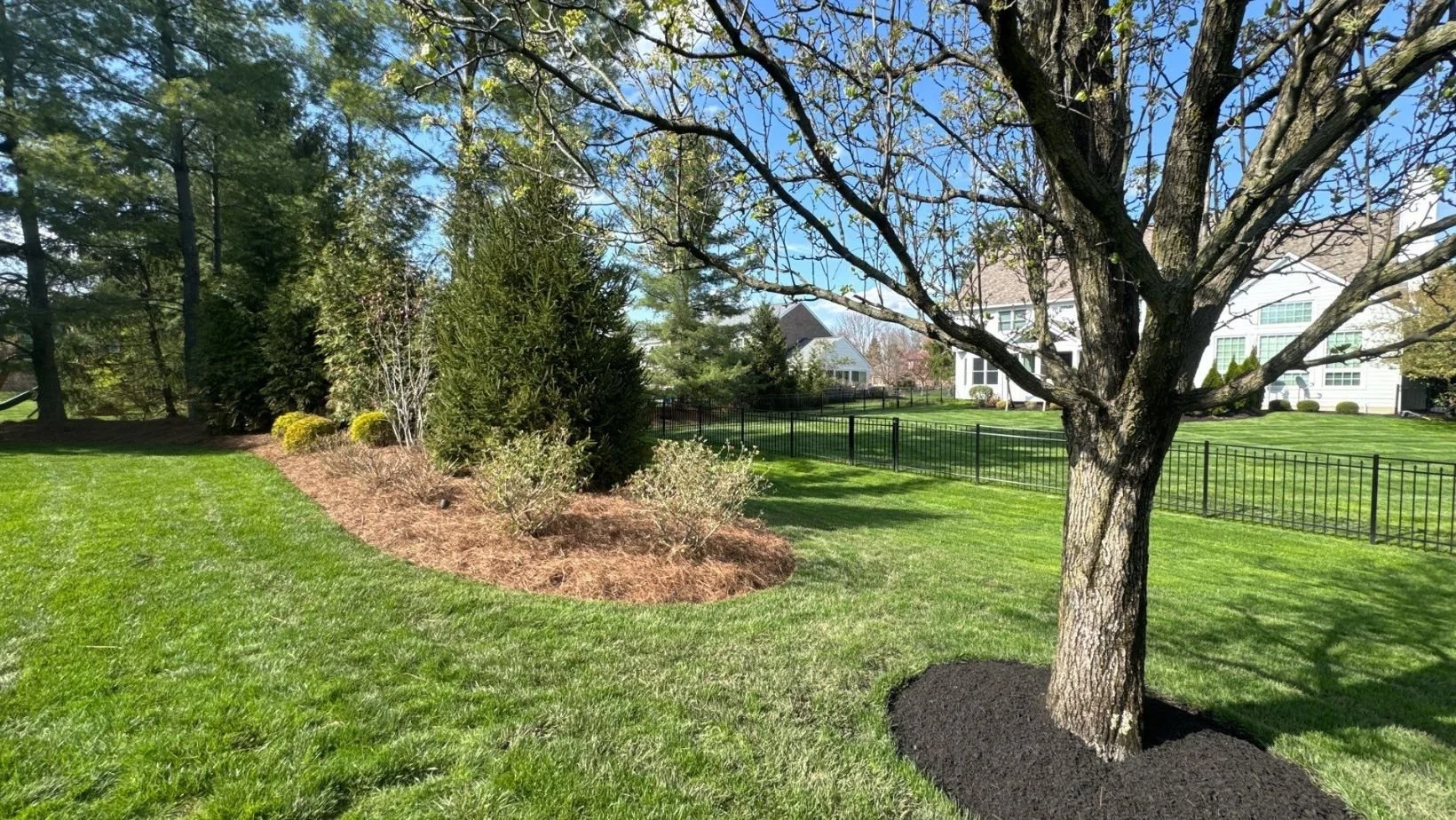
You walk past your Japanese maple in January and notice its bare branches spreading against a gray Cincinnati sky. The tree looks asleep, quiet, finished for the season. Should you leave it alone until spring warmth returns or is it time for some winter pruning?
The answer might surprise you. Winter is actually one of the best times to prune many trees and shrubs. Dormancy doesn't mean your plants stop needing care; it means they're in the perfect state to receive strategic attention that sets them up for vigorous spring growth.
At Seiler's Landscaping, we care for plants year-round because we know that seasonal maintenance directly impacts long-term health and appearance. Our Seiler's 360 Maintenance program includes winter pruning services designed to strengthen your landscape's structure while plants rest.
This article explains what winter pruning is, why it should be done, the benefits it provides to dormant plants and exactly how the process works.
What Is Winter Pruning?
Winter pruning is the practice of maintaining plants by selectively removing branches, stems and shoots from trees and shrubs during their dormant period, typically from late fall through early spring before new growth begins. In Cincinnati, this window generally runs from November through March, though the exact timing depends on the specific plant species and weather patterns.
Unlike pruning during the growing season, winter pruning takes advantage of dormancy. When temperatures drop and daylight shortens, most deciduous trees and many shrubs enter a rest phase. They stop producing new leaves and flowers, slow their metabolic processes and redirect energy into their root systems. This creates ideal conditions for pruning because plants experience less stress when cuts are made.
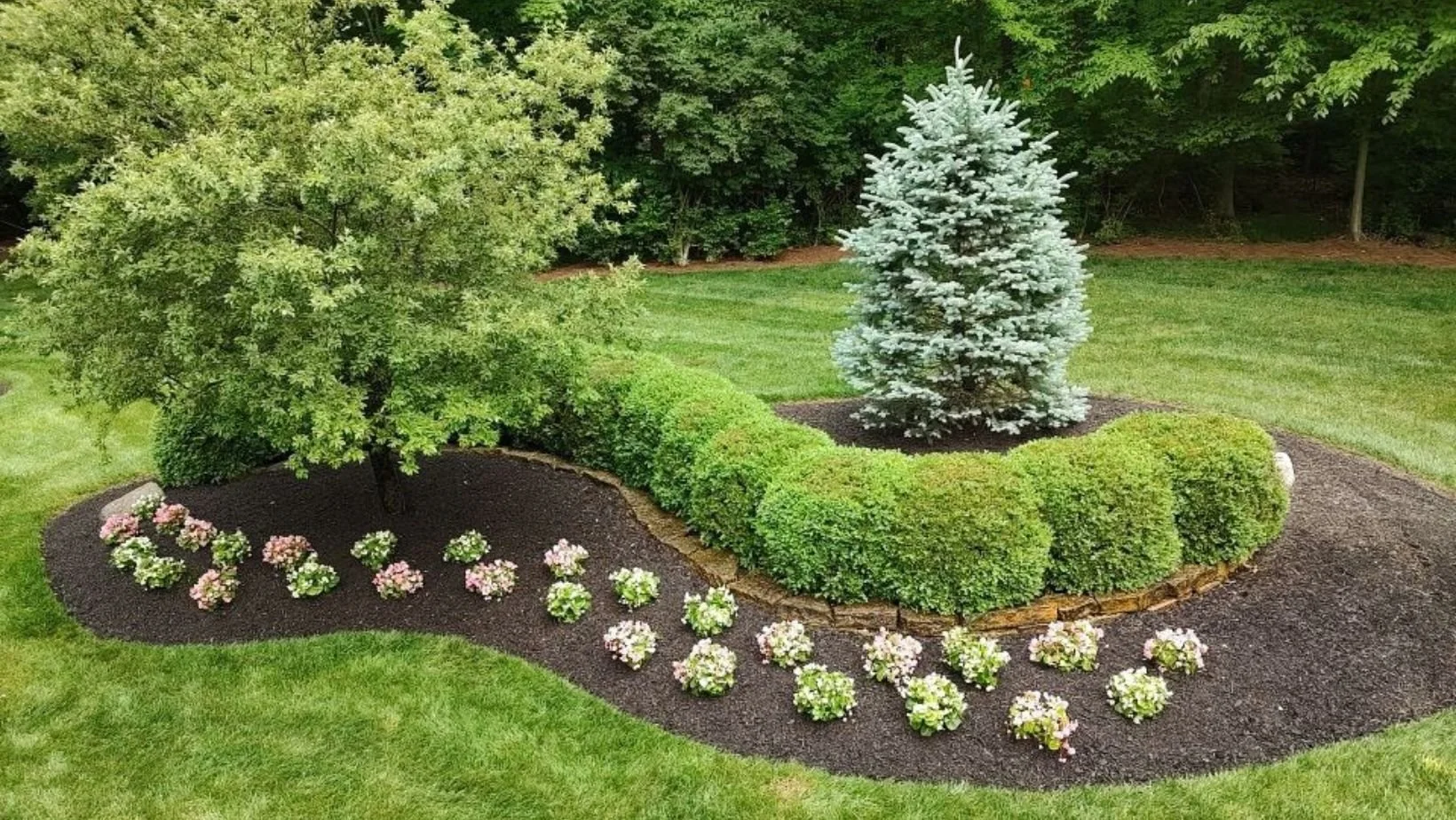
Professional winter pruning focuses on structural improvements rather than cosmetic shaping. With leaves gone, the entire branch architecture becomes visible:
Crossing branches that will rub and create wounds
Weak crotch angles that might split under ice load
Dead or diseased wood that needs removal
This clarity simply doesn't exist when foliage obscures the framework.
The technique involves making clean cuts at specific points on branches. Each cut is positioned just outside the branch collar, which is the slightly swollen area where a branch meets the trunk or a larger limb. Properly cutting allows the tree to seal the wound efficiently.
Winter pruning isn't appropriate for every plant. Spring-flowering shrubs like lilacs, forsythia and azaleas should generally be pruned immediately after they bloom because they set next year's flower buds in summer. Most shade trees, ornamental trees and summer-blooming shrubs respond extremely well to winter pruning.
Why You Should Prune in the Winter
The dormant season offers distinct advantages that make winter pruning superior to warm-season cutting for many landscape plants. These advantages relate to plant biology, practical visibility and reduced disease pressure.
Energy
Plant energy reserves concentrate in roots during dormancy. When you prune during active growth, you remove leaves that are actively photosynthesizing and feeding the plant. Winter pruning removes only structural wood, allowing the full root system's stored energy to push into remaining buds come spring. The result is vigorous, healthy new growth that quickly fills in the pruned areas.
Disease and Pests
Disease and insect concerns drop dramatically in winter. Many fungal pathogens that infect fresh pruning cuts remain dormant in cold weather. Oak wilt, fire blight, Dutch elm disease and various canker diseases spread much less readily when temperatures stay below freezing. Insect pests that are attracted to fresh sap and wounded tissue simply aren't active. This significantly reduces the risk that pruning will introduce problems rather than solve them.
Safety
Safety factors favor winter work for many properties. Frozen ground supports heavy equipment that may damage lawns during thawed conditions. Crews can position lifts and chippers without creating ruts or compacting wet soil around root zones. For properties with extensive turf or delicate understory plantings, winter access prevents collateral damage.
Visibility
The visible structure of bare branches allows precision that's impossible when leaves block your view. You can trace each branch to its origin, identify the best cuts for long-term form and remove problem wood before it fails. This structural clarity makes winter pruning the preferred timing for major tree work that shapes the framework for decades.
How Winter Pruning Works
The winter pruning process follows systematic steps that ensure both immediate plant health and long-term landscape quality. Professional execution matters significantly in achieving these results.
1. Site assessment comes first.
An experienced arborist walks the property, examining each plant that might benefit from winter pruning. They note structural issues, disease symptoms, dead wood and hazardous branches. This assessment considers the specific species, its mature size, its landscape role and site-specific factors like proximity to structures or power lines.
The evaluation determines pruning priorities:
Extensive thinning to reduce wind resistance and storm damage risk
Selective heading cuts to manage height or spread
Rejuvenation pruning to remove old stems and stimulate fresh growth
Deadwood removal to eliminate safety hazards
Each plant receives a customized approach rather than generic treatment.
2. Timing within the dormant window matters.
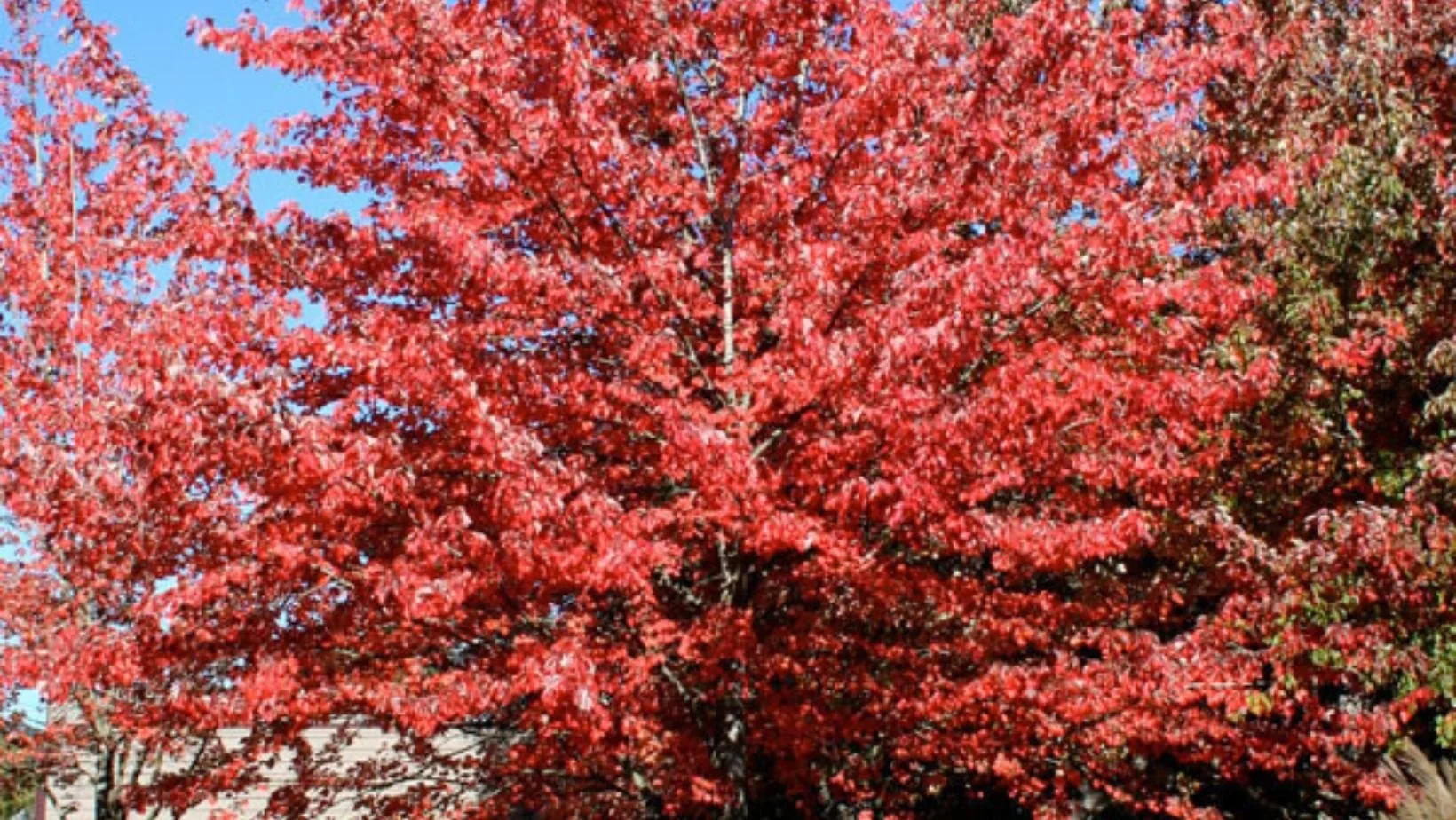
Extremely cold periods when wood becomes brittle are usually avoided. Late winter often works well because cuts made just before spring growth heal quickly as sap begins to rise. However, species-specific requirements guide the exact schedule. Trees such as maples should be pruned in early winter before sap starts flowing heavily.
3. Proper equipment ensures clean cuts.
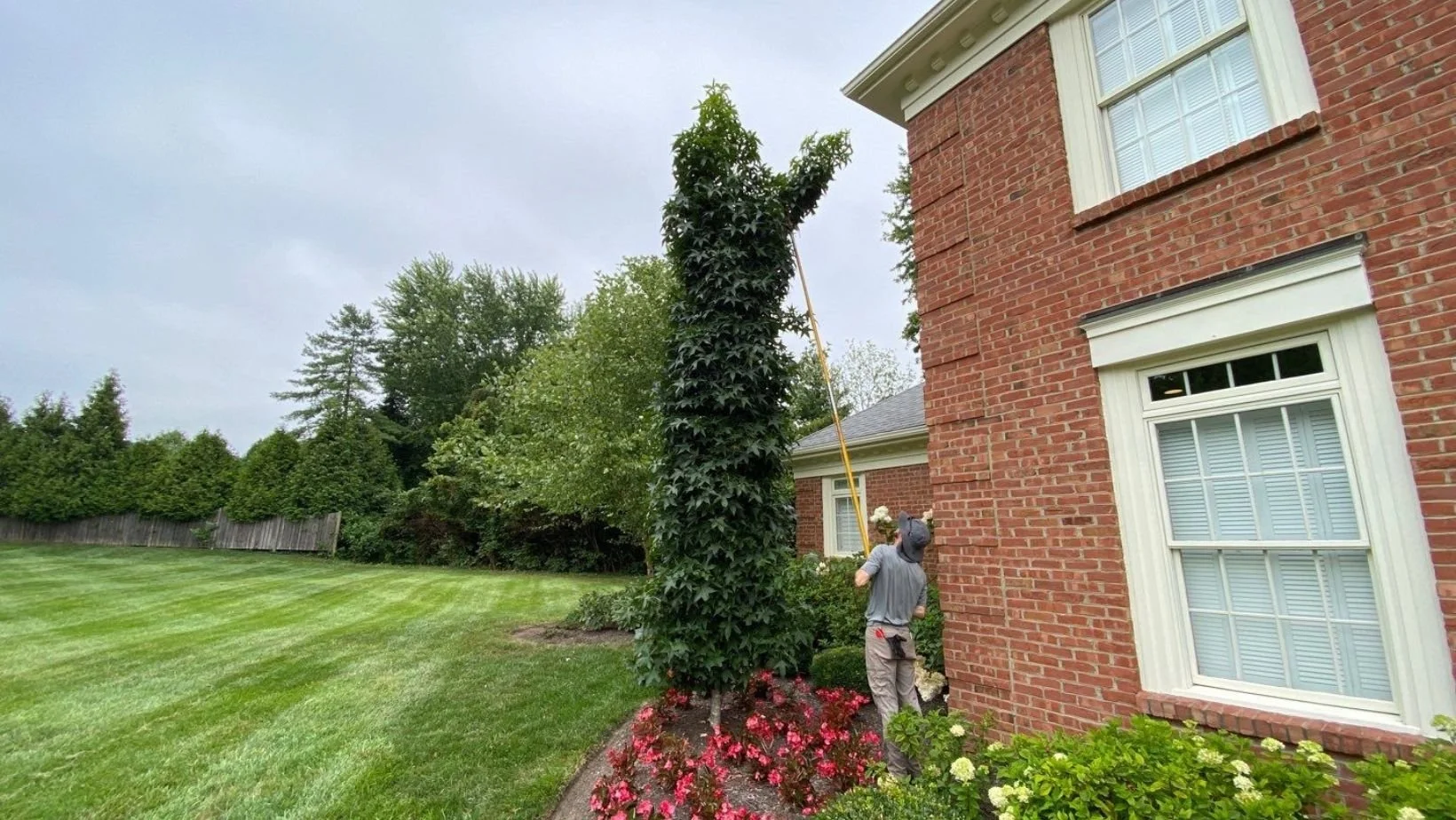
Professional-grade pruning saws, pole saws and hand shears create smooth cuts that heal efficiently. Ragged cuts from dull tools create entry points for decay organisms. Large branches get removed using the three-cut method to prevent bark from tearing down the trunk.
4. Cut placement follows arboricultural standards.
Cuts are positioned just outside the branch bark ridge and branch collar, preserving the tree's natural defense zone. Flush cuts prevent proper wound sealing. Stub cuts create dead wood that decays and invites disease. The precise angle and position of each cut affect how successfully the tree compartmentalizes and seals the wound.
5. Debris removal completes the service.
All pruned material gets removed from the site unless you specifically request otherwise. Dead branches and diseased wood don't get chipped and used as mulch because they can harbor pathogens. Professional services include cleanup that leaves your property looking better than before work began.
Follow-up care recommendations address spring actions that support pruned trees and shrubs: soil testing, root zone fertilization or mulch application timed to support the vigorous growth that winter pruning promotes.
Benefits of Winter Pruning for Dormant Trees and Shrubs
Winter pruning delivers specific benefits that improve both immediate safety and long-term plant performance. These advantages compound over years of proper care.
Improved structural integrity
Removing weak, crossing, poorly attached or dead branches before ice storms and spring winds prevents breakage that could damage property or injure people. Those dead branches pose hazards during storms when their attachment points fail under load.
Enhanced spring growth
Dormant pruning redirects the plant's stored energy into fewer, stronger shoots. This results in thicker, healthier branches that better resist disease and environmental stress. You'll notice more robust foliage and often improved flowering on winter-pruned specimens.
Disease prevention
Strategic removal of diseased, damaged or dead branches stops pathogens before they spread through the plant. Winter's cold temperatures prevent many diseases from moving through fresh cuts. You're essentially performing preventive medicine on your landscape.
Longer-term cost savings
Regular winter pruning prevents small problems from becoming expensive emergencies. A weak branch that's removed during routine winter maintenance costs a fraction of what you'll pay for emergency removal if it falls through your roof during a spring storm. Preventive care protects your landscaping investment and your property.
Cincinnati's Climate and Winter Pruning Considerations
Cincinnati's weather patterns require local knowledge for ultimate success. The Ohio River Valley swings from 50-degree January days to single-digit cold snaps within days. Experienced professionals schedule work during moderate periods when trees are safely dormant but not frozen brittle.
Ice storms coat branches with heavy loads nearly every winter here. Regular pruning that removes weak attachments directly prevents the damage that hits unprepared properties.
Cincinnati's heavy clay soils drain poorly and waterlog during thaws. Winter pruning reduces top growth demands, allowing stressed root systems to support plants more effectively through spring flooding that affects properties along creeks and the Ohio River.
Native Cincinnati trees like sycamore, tulip poplar and sugar maple evolved to handle our specific stresses. They respond extremely well to winter pruning because it aligns with their natural growth patterns in this region.
Getting Started With Winter Pruning Services
Making the decision to invest in professional winter pruning begins with understanding your landscape's current condition and your goals for how it should function and appear.
The Seiler's 360 Maintenance program includes winter pruning as part of comprehensive year-round care. From spring cleanup through winter structural work, professional crews familiar with your property handle all maintenance needs.
Let’s discuss winter pruning for your Cincinnati property.