
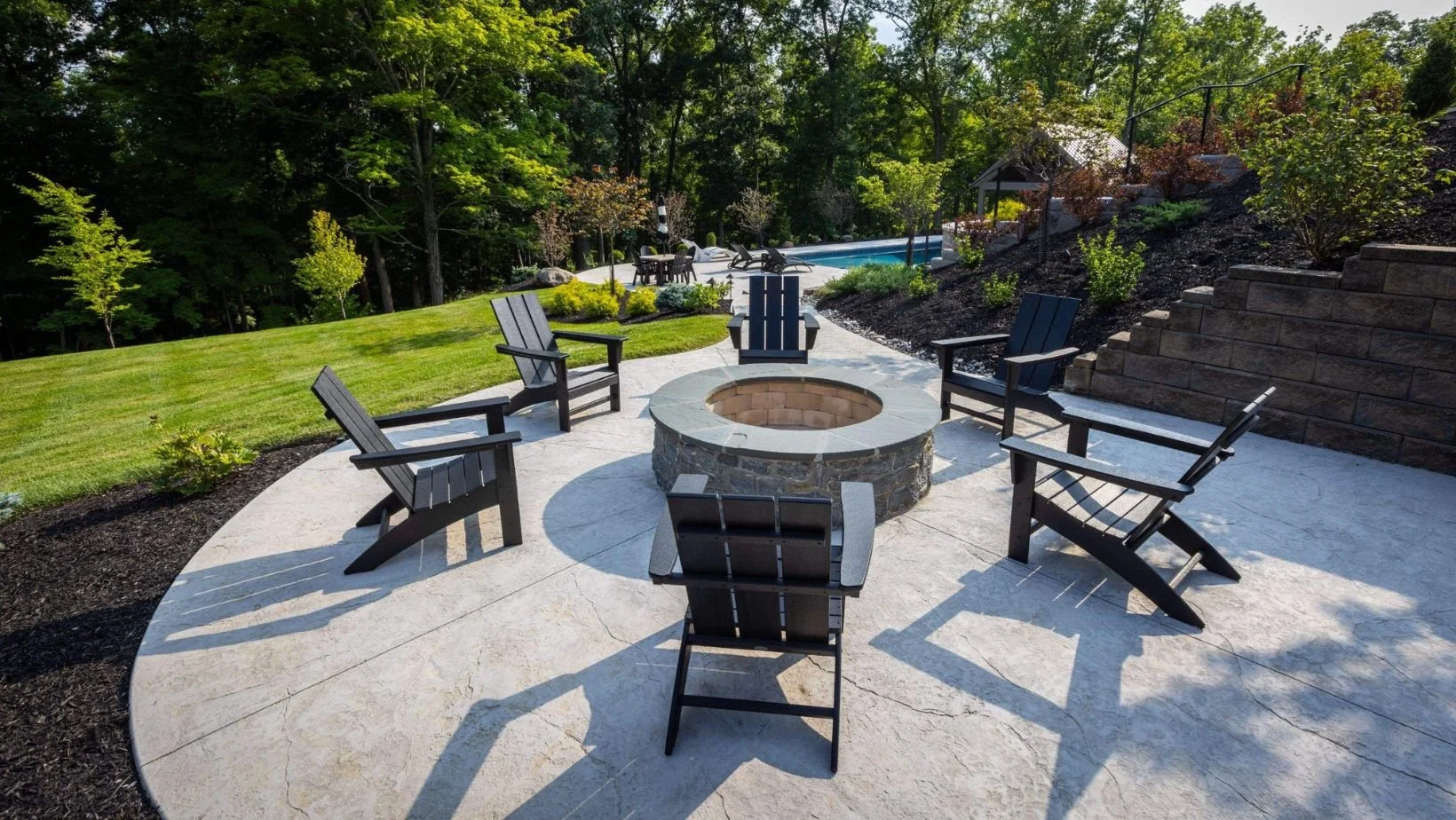
The glow of a fire on a cool evening transforms your backyard into something special. But choosing the wrong materials can lead to cracking, rust or costly repairs down the line. The right materials for your outdoor fire feature make it both beautiful and durable.
The right material depends on many different factors, which can be hard to narrow down without the help of a landscaping team. Continue reading for our guide to the best materials.
What to Consider Before You Choose
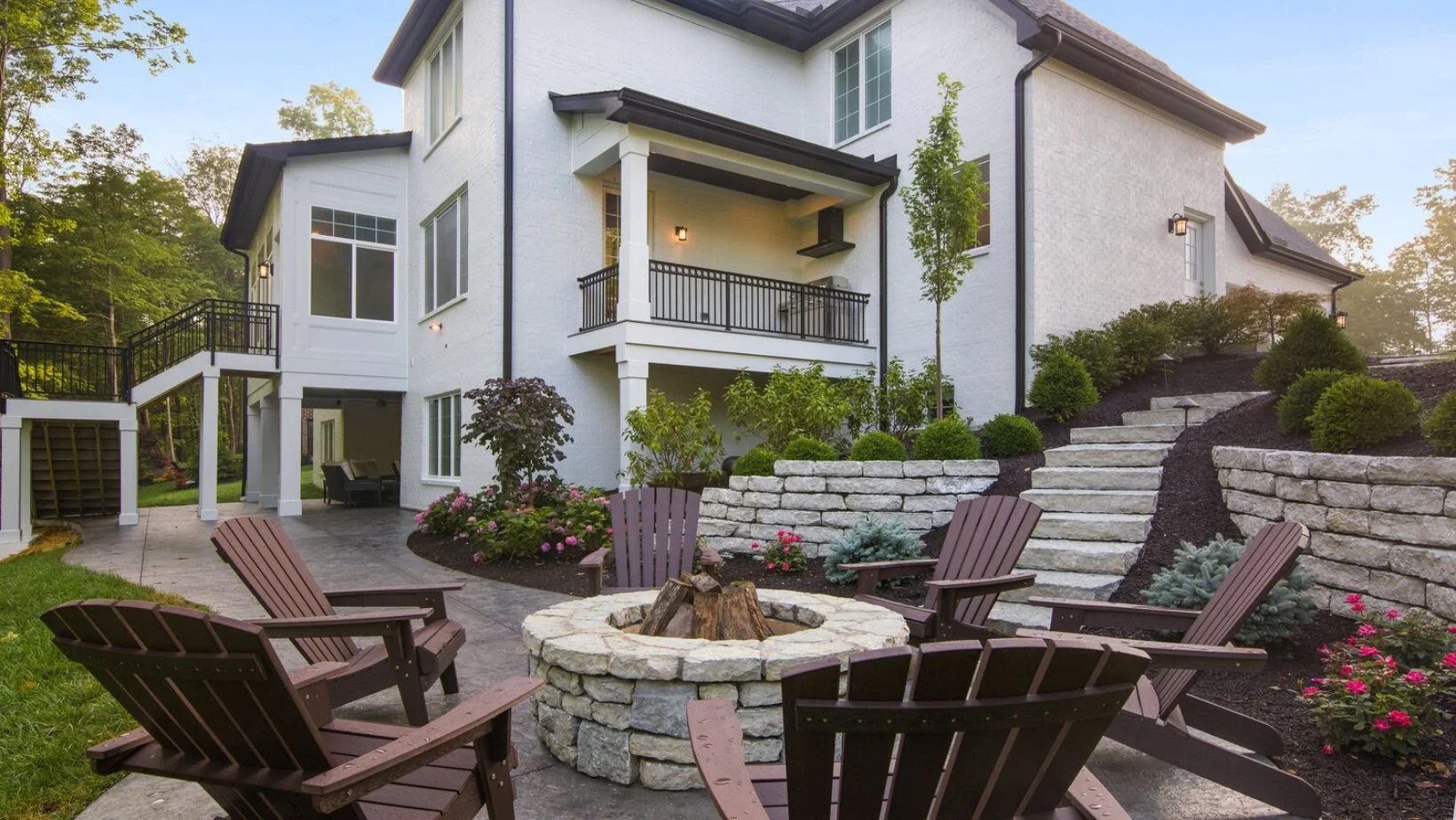
Start by asking yourself: "How will I use the fire feature?"
Wood-burning fires create different material demands than gas. Wood generates intense, direct heat that requires serious heat resistance, while gas flames stay more controlled and contained.
Your fire feature should complement your home's architecture and flow naturally with your existing landscape design. Along with complementing your home's aesthetic, it needs to complement your lifestyle. Think about the maintenance levels you're comfortable with. Some materials require regular attention, while others practically take care of themselves.
Heat resistance is non-negotiable, but it's not the only factor. Consider how materials age and develop character over time. A copper fire pit that develops patina tells a different story than stainless steel that stays sleek. Budget matters, too, but we suggest focusing on long-term value rather than just upfront cost. Quality materials mean fewer repairs and more years of enjoyment.
Classic Materials That Stand the Test of Time
Natural Stone
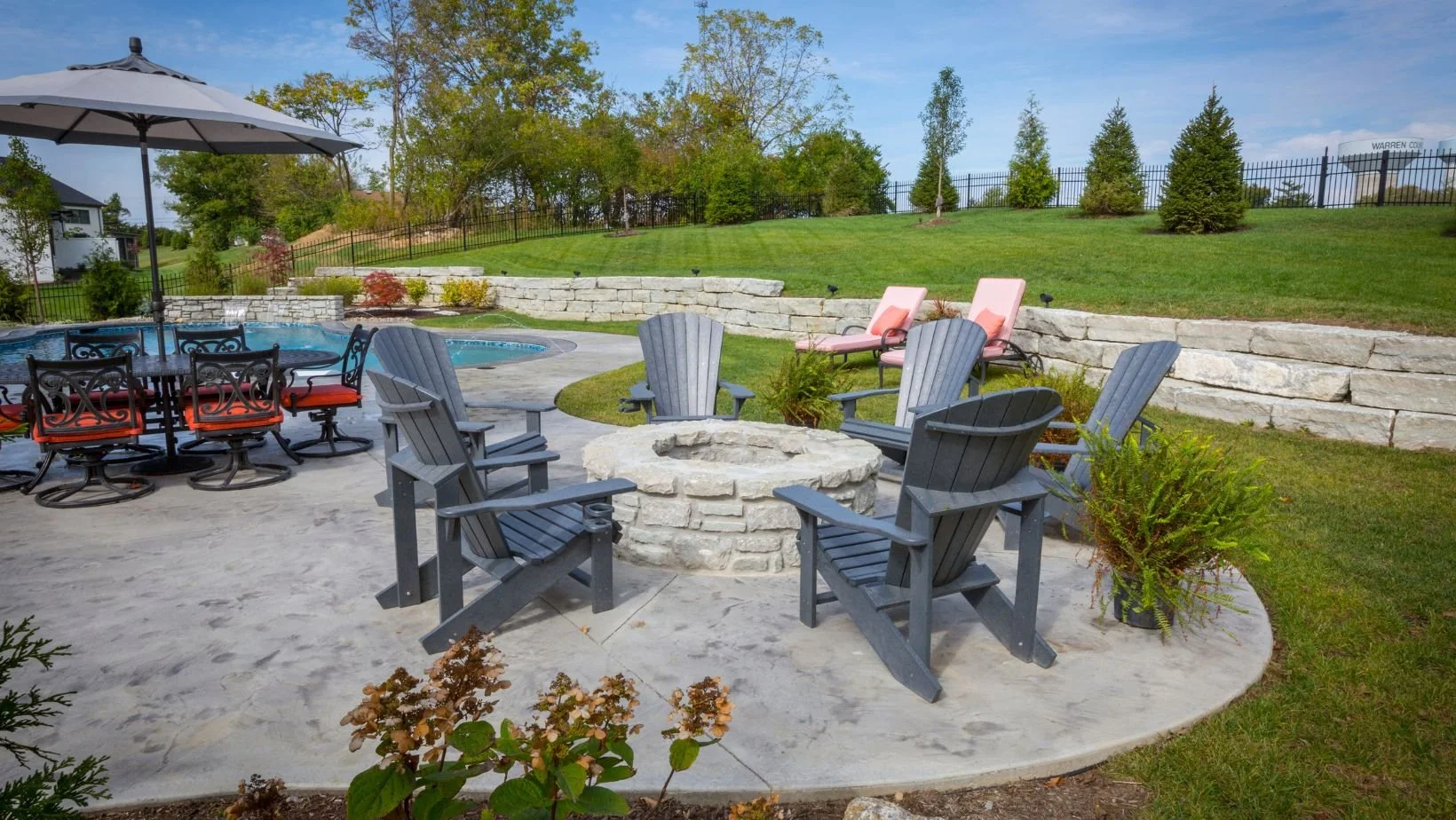
Natural stone creates a timeless, grounded look that feels permanent. Granite and sandstone hold heat beautifully, radiating warmth long after the fire dies down. These materials blend into natural surroundings without competing for attention, making your outdoor fire feature feel like it's always been there.
Stone works best for rustic or traditional landscape styles where you want that authentic, organic feel. Keep in mind that stone requires heavier installation work and some varieties need protection from extreme heat to prevent cracking.
Modular Block
Today’s modular block is built specifically to handle the intense heat from wood-burning fires. It provides clean lines and serious structural integrity that holds up season after season. Pair a modular block with a fire brick lining for maximum durability and heat control.
This material shines in wood-burning features where heat resistance is critical. You'll need solid foundation work to support the weight, but the investment pays off in longevity.
Contemporary Materials for Modern Spaces
Stainless Steel
Stainless steel brings clean, modern lines to your outdoor space. It resists rust and weather damage season after season, making it a smart choice for areas with harsh winters or coastal salt exposure. The lightweight design makes installation easier compared to stone.
You'll find stainless steel works beautifully in contemporary settings where sleek design matters. It may discolor with extreme heat over time, and the upfront investment runs higher than some other options.
Carbon Steel
Carbon steel delivers industrial-style appeal with serious durability. It handles harsh weather and dramatic temperature swings without complaint. Once installed, it requires minimal attention beyond an occasional protective coating refresh.
This material fits perfectly in modern or minimalist designs where you want a strong visual impact. The protective coating will need reapplication every few years to maintain the finish and prevent rust.
Copper
Copper develops a living patina that tells your fire feature's story. As it ages, the color shifts from bright penny to rich bronze to soft green, creating a finish you can't replicate any other way. Copper also distributes heat evenly for consistent warmth around the entire feature.
Use copper when your outdoor fire feature is meant to be a focal point, a conversation piece that draws attention. Be prepared for regular maintenance if you want to control how the patina develops. Also note that copper surfaces get extremely hot and may need shielding.
Creating a Cohesive Outdoor Fire Feature Space

Your firepit doesn't exist in isolation. It sits alongside your patio, near your garden beds and within view of your home. The materials you choose can either tie everything together or create visual friction.
Start by looking at what's already working in your landscape. If you've invested in natural stone retaining walls or a flagstone patio, repeating that material in your outdoor fire feature creates instant harmony. The same principle applies to modern spaces. Metal railings or stone planters suggest your fireplace or pit should follow suit.
Consider the fuel source as part of your material decision. Gas features allow more flexibility since the flame stays controlled and contained at the top. You can use metal framing with stone veneer or lighter materials that might struggle with the direct heat of a wood fire. Wood-burning features need materials tough enough to handle intense temperatures at the core, which typically means modular block, fire brick or thick natural stone.
Distance from seating areas matters too. Materials that retain heat, like stone, continue radiating warmth after the fire dies down, extending your comfort zone. Metals heat and cool quickly, which can be an advantage or a drawback depending on your setup.
The best materials feel deliberate, like they've always been part of the plan. When materials echo what's already present in your landscape, the whole space feels more finished and thoughtfully designed.
Design an Outdoor Fire Feature That Lasts
Your outdoor fire feature deserves materials that match both your style and how you'll actually use the space. The right choice means more evenings outdoors and less time on repairs. Quality materials turn a simple fire pit into a gathering place that lasts for years.
We can help you navigate options and design a fireplace or pit that fits your property perfectly. Contact Seiler's Landscaping today to get started.